Create your custom sustainability policy in minutes — free for a limited time
Get Started →Search type
Countries
Fields
List of the River Hotspots in Philippines
2 Eco Hot Spots

Vital Role of Rivers in the Philippines’ Environmental Landscape
The Philippines is home to hundreds of rivers that serve as lifelines for communities, agriculture, biodiversity, and local economies. These rivers are not only vital sources of freshwater and food but also act as crucial ecosystems that support countless plant and animal species. However, many of these river systems have become environmental hotspots due to increasing pressures from pollution, urbanization, and climate change.
Environmental Challenges Facing Philippine Rivers
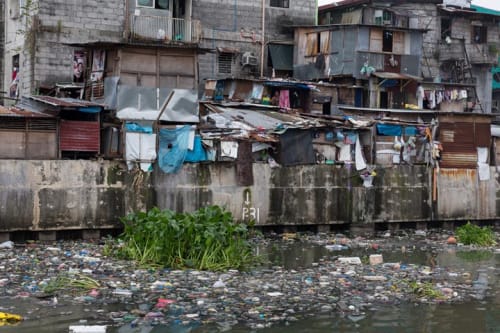
Across the country, rivers such as the Pasig, Marikina, Cagayan, and Agusan are facing significant ecological threats. Industrial discharge, plastic pollution, agricultural runoff, and mining byproducts have degraded water quality and damaged aquatic habitats. These pressures contribute to biodiversity loss, health risks for nearby communities, and reduced resilience against flooding and drought.

The Philippines’ vulnerability to typhoons and extreme weather events further exacerbates these problems, as swollen rivers often lead to displacement and infrastructure damage.
Sustainable Efforts and Local Stewardship
Despite these challenges, there are growing efforts to restore and protect the country’s rivers. Government programs, local NGOs, indigenous communities, and youth-led movements are actively working on river rehabilitation, mangrove reforestation, water monitoring, and education campaigns.

Projects such as river cleanups, riparian planting, and eco-tourism initiatives are examples of how citizens are reclaiming their rivers and turning degraded zones into symbols of renewal. These initiatives play a pivotal role in boosting environmental awareness and building climate resilience from the ground up.
Mapping River Hotspots for Action and Awareness
This directory showcases key river environmental hotspots in the Philippines, offering insight into both the ecological value and environmental stressors affecting each area. By identifying these hotspots, the platform supports transparency, encourages conservation investment, and helps citizens, researchers, and policy makers take informed action.

Whether you're a conservationist, student, eco-traveler, or policymaker, understanding the status of rivers in the Philippines is essential for building a more sustainable and water-secure future.